Science of Reading

  • How to Teach Morphology: What the Research Says Actually Works
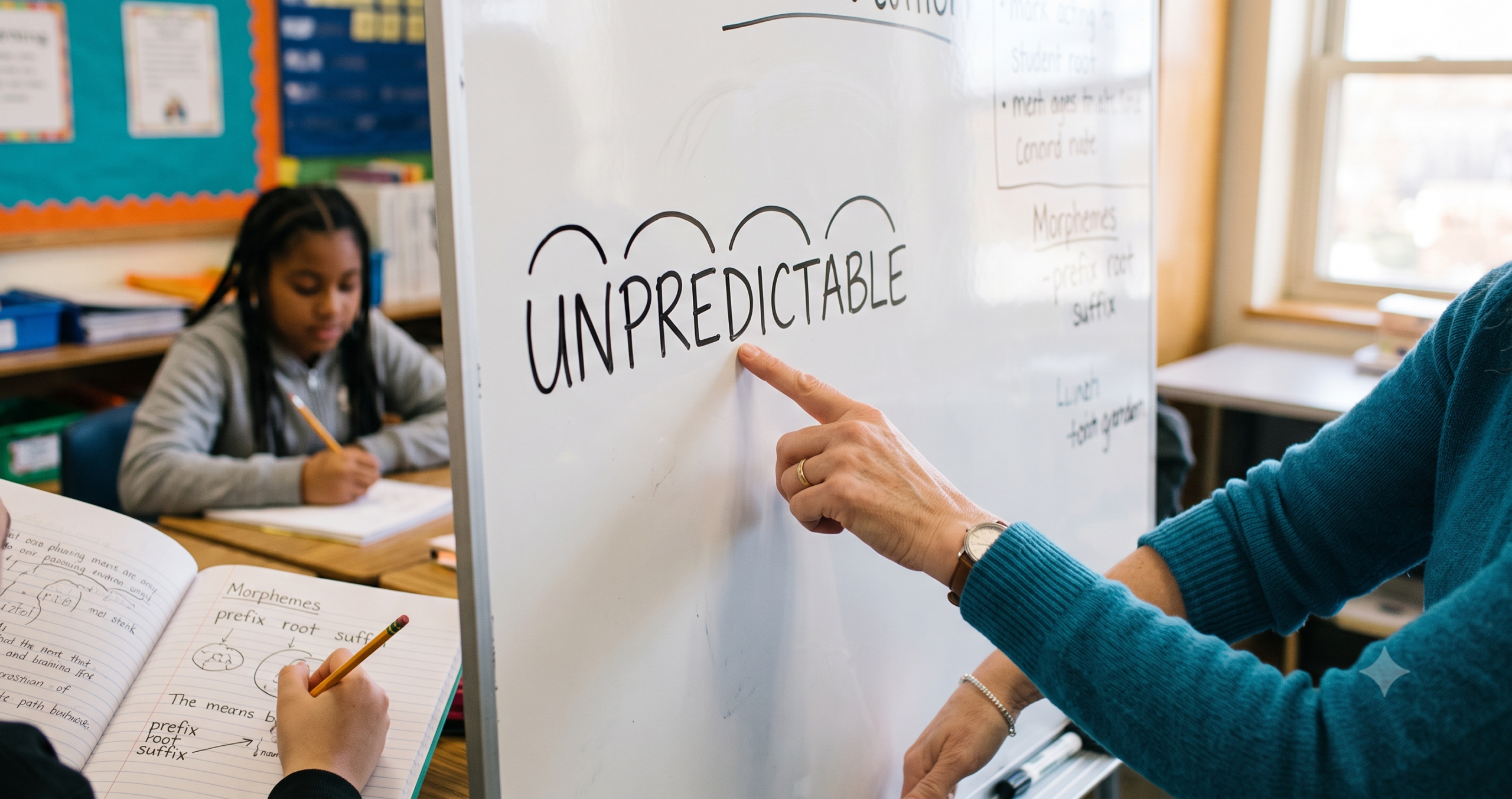
    A whiteboard lesson on how to teach morphology, with "UNPREDICTABLE" broken into prefix, root, and suffix as students take notes

    Teaching morphology means teaching students a method for taking unfamiliar words apart into meaningful pieces (prefixes, roots, suffixes) and using those pieces to figure out the word. It matters because a method transfers to thousands of words a student will never be pre-taught, while a memorized word list only ever covers the words on the list.
    Read More

  • Phoneme Isolation: The Entry Skill the Other Three Are Built On

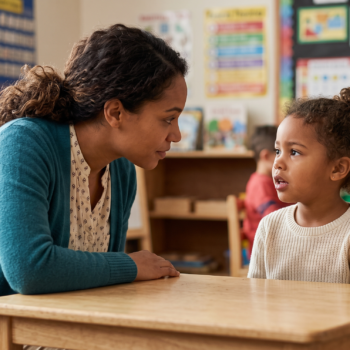
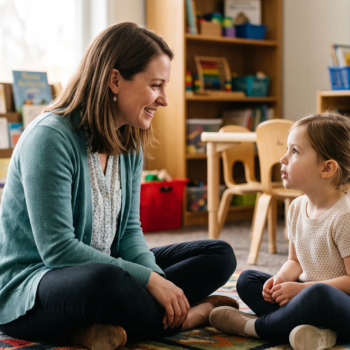
    Teacher and young student sitting face-to-face on a classroom rug practicing phoneme isolation in a warm, book-filled early childhood classroom

    Phoneme isolation is the ability to hear and name a single sound in a spoken word: the first sound, the last sound, or the one in the middle. It’s the entry skill of phonemic awareness, the one that makes blending, segmenting, and manipulating sounds possible later, because a child who can’t pull one sound off a word has nothing yet to push together or take apart.

    Read More

  • Free Morpheme and Bound Morpheme: How the Difference Changes Word Study

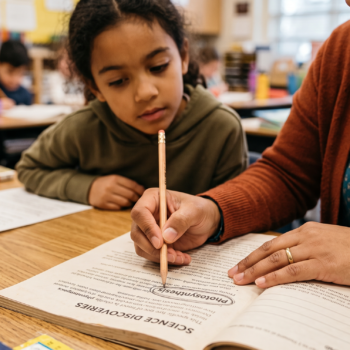
    Teacher pointing to the word "photosynthesis" circled in a science textbook while a student looks on, illustrating how bound morphemes build complex words

    A free morpheme is a word part that can stand alone as its own word. A bound morpheme is a word part that carries meaning but can’t stand alone; it has to attach to something else to do its job. The difference matters because it gives students a way into long words: find the part that stands on its own, then read what’s attached to it as something that changes the meaning.

    Read More

  • Phoneme Manipulation: The Advanced Skill Most Instruction Skips

    Teacher leaning in close to work on phoneme manipulation with a young student during a one-on-one oral language activity in an early childhood classroom

    Phoneme manipulation is the ability to change the individual sounds in a spoken word on purpose: deleting a sound, swapping one for another, or reordering them, and knowing what word is left. It is the most advanced phonemic awareness skill and the one most tied to fluent reading, because it builds the sound system that stores words for instant recognition.

    Read More

  • The Three Types of Reading Comprehension, and Why the Difference Matters

    Teacher working one-on-one with an elementary student on a picture book at a small group table while classmates read independently in the background

    The types of reading comprehension are the distinct levels at which a reader understands a text: literal comprehension (what the text says directly), inferential comprehension (what it means but doesn’t state), and evaluative comprehension (what the reader concludes after weighing it). They matter because a student can succeed at one level and stall at the next, which is how “he comprehends fine” can be both true and incomplete.

    Read More

  • Word Consciousness: How to Grow Students Who Notice Words on Their Own

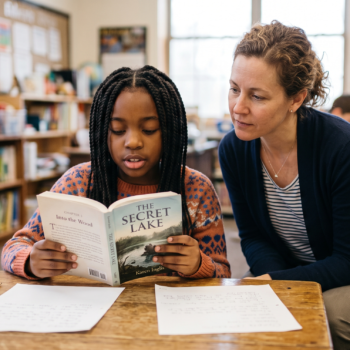
    A teacher nurturing word consciousness by engaging a curious young student in a close reading conversation over a picture book

    Word consciousness is an active interest in and awareness of words: noticing them, questioning them, connecting them to other words, and taking genuine pleasure in how they work. It matters because the students who have it pick up new words faster than the students who don’t, not because they’re taught more, but because they’re paying attention to language all day long, on their own time.

    Read More

  • Teach Any Text This Way: Reading Comprehension Lesson Plans That Works

    Teacher reading aloud a picture book to engaged upper elementary students as part of a reading comprehension lesson plan

    A reading comprehension lesson plan structures what students do before, during, and after reading so they actively process the text instead of just decoding it. The strongest before-during-after reading strategies share one feature: they don’t stop at the bookends. It matters because many students who read every word still understand little, and teaching them to pause, question, and connect is what closes that gap.

    Read More