L is for Literacy
The Science of Reading Simplified

All Cats Welcome: A Read Aloud That Builds Hearts and Vocabularies
In my work supporting elementary teachers, I’ve learned that the most powerful read alouds create what I call “lingering conversations”—those moments when students continue discussing the story long after the book is closed. “All Cats Welcome” consistently generates these meaningful exchanges. Just last week, I observed a second-grade class where students spent their entire lunch recess debating whether Leonard was brave or just desperate, and planning what they would do if they were the cat across the courtyard.
When teachers I coach express concern about maintaining joy and authentic literature while implementing structured literacy approaches, I often reach for books like this one. “All Cats Welcome” proves that purposeful read alouds aren’t just compatible with science of reading principles—they’re essential for building the language comprehension side of Scarborough’s Reading Rope.
Meet Leonard: The Optimistic Cat with a Big Heart
Leonard is an endearing orange tabby who adores his human companion but struggles with loneliness when left alone during the day. Nielsen crafts a gentle story about friendship, hope, and the power of putting yourself out there—even when you’re scared. When Leonard spots another cat across the courtyard, his journey from isolation to connection unfolds through vibrant illustrations and carefully chosen language that invites discussion.
Perfect for: Grades K-3
Read aloud time: 15-20 minutes
Notable features: Vivid city illustrations, emotional journey, repetitive text structure that supports comprehension
Diversity elements: Urban setting with diverse characters represented in background illustrations
Beyond the Story: The Hidden Literacy Treasures Inside
This book is a vocabulary goldmine disguised as a friendship story. Nielsen uses precise, descriptive language that naturally introduces Tier 2 vocabulary without overwhelming young listeners. Words like “adored,” “wonderful,” and “lonely” appear in context that makes their meaning crystal clear—exactly what we need for robust vocabulary development.
The story structure follows a classic problem-solution pattern that supports comprehension strategy development. Leonard faces loneliness (problem), observes another cat (complication), takes action (attempt), and finds friendship (resolution). This predictable structure helps students internalize narrative elements while building their schema for story comprehension.
From a structured literacy perspective, this book beautifully demonstrates how rich literature complements systematic instruction. While students are learning to decode words through explicit phonics lessons, they’re simultaneously building the background knowledge and vocabulary that make reading meaningful. The urban setting, apartment living, and pet ownership concepts all contribute to students’ growing knowledge base.
The repetitive structure—”His human heard ‘meow’”—provides natural opportunities to discuss how authors use repetition for effect, supporting students’ developing understanding of literary craft while reinforcing sight word recognition.
Setting Teachers Up for Success: 5-Minute Prep Strategies
Before reading, introduce the concept of loneliness through a brief discussion: “Have you ever felt lonely? What does that feel like in your body?” This activates prior knowledge and creates emotional connection before students meet Leonard.
Preview key vocabulary by showing the cover: “Look at Leonard on his windowsill. The author says he ‘adored’ his human. What do you think ‘adored’ means? How can you tell from his expression?” This pre-teaching supports comprehension without overwhelming the story flow.
Set a listening purpose: “As we read, notice what Leonard does when he feels lonely. Authors often show us how characters solve their problems.” This focuses attention on story structure while maintaining engagement.
Page-by-Page Guide: Strategic Stopping Points That Work
After Leonard’s morning routine, pause to discuss: “Leonard says ‘Welcome to a new day!’ but his human only hears ‘meow.’ Why do you think the author included this detail?” This develops understanding of perspective and author’s craft.
When Leonard feels lonely, stop for a think-aloud: “I’m noticing Leonard’s body language here. His ears are down, and he’s curled up small. The illustrator is showing us how loneliness feels.” This models how good readers use illustrations to deepen comprehension.
At the moment Leonard spots the other cat, create suspense: “Leonard saw something wonderful. What do you predict he saw? What makes you think that?” This engages prediction skills while building anticipation.
When Leonard takes action, pause for reflection: “Leonard decided to do something brave. What would you do if you were Leonard?” This connects to students’ lives while highlighting character motivation.
Extending the Learning: Activities Teachers Actually Use
Follow up with vocabulary in context: “Leonard ‘adored’ his human. Let’s think of other things people might adore. I adore chocolate ice cream—I absolutely love it and think about it often.” This extends vocabulary beyond the story context.
Create a simple problem-solution chart together: “Leonard’s problem was loneliness. His solution was reaching out to make a friend. Let’s think of other problems characters face in stories and how they solve them.” This reinforces story structure understanding.
Connect to writing: “Leonard showed he wanted to be friends without using words. How did he do that? How do you show friendship without words?” This bridges to students’ own experiences and supports social-emotional learning.
For extension, encourage students to notice cats in their neighborhood or community: “Leonard lived in the city. Where might cats live in our community? What would Leonard’s story be like if he lived here?” This builds background knowledge while maintaining story connection.
Teacher Talk: Getting the Most From “All Cats Welcome”
Teachers consistently tell me this book works beautifully for classroom community building early in the year. Leonard’s vulnerability and hope resonate with students who are also forming new friendships and navigating social connections.
I’ve noticed students naturally connect Leonard’s experience to their own moves, new schools, or times they’ve felt left out. This emotional engagement enhances comprehension and makes the reading experience memorable.
One successful differentiation strategy I’ve observed: teachers invite students to share the story from the other cat’s perspective. “What do you think the black cat was thinking when Leonard waved?” This extends thinking while supporting multiple viewpoints.
Brain-Based Benefits: Why Reading Researchers Would Approve
“All Cats Welcome” exemplifies how quality literature supports both strands of Scarborough’s Reading Rope simultaneously. While students are developing word recognition through systematic phonics instruction, books like this build the language comprehension, background knowledge, and vocabulary that make reading meaningful.
The emotional connection students make with Leonard activates the brain’s memory centers, making new vocabulary and concepts more likely to stick. The urban setting and pet care themes contribute to students’ growing knowledge base—knowledge they’ll draw upon in future reading.
The book’s exploration of friendship, empathy, and taking social risks aligns perfectly with social-emotional learning research, supporting students’ overall development while building literacy skills.
The Heart of Reading: Why This Book Matters
In our enthusiasm for systematic, explicit instruction—which is absolutely essential—we cannot forget that reading is ultimately about meaning, connection, and joy. “All Cats Welcome” reminds us that the best read alouds do both: they support the structured literacy components our students need while nurturing their love of story and language.
Leonard’s journey from loneliness to friendship mirrors many of our students’ experiences, creating the emotional resonance that makes reading memorable and meaningful. Try this one during your next read aloud—I think you’ll find it’s exactly the kind of purposeful literature that belongs in every structured literacy classroom.
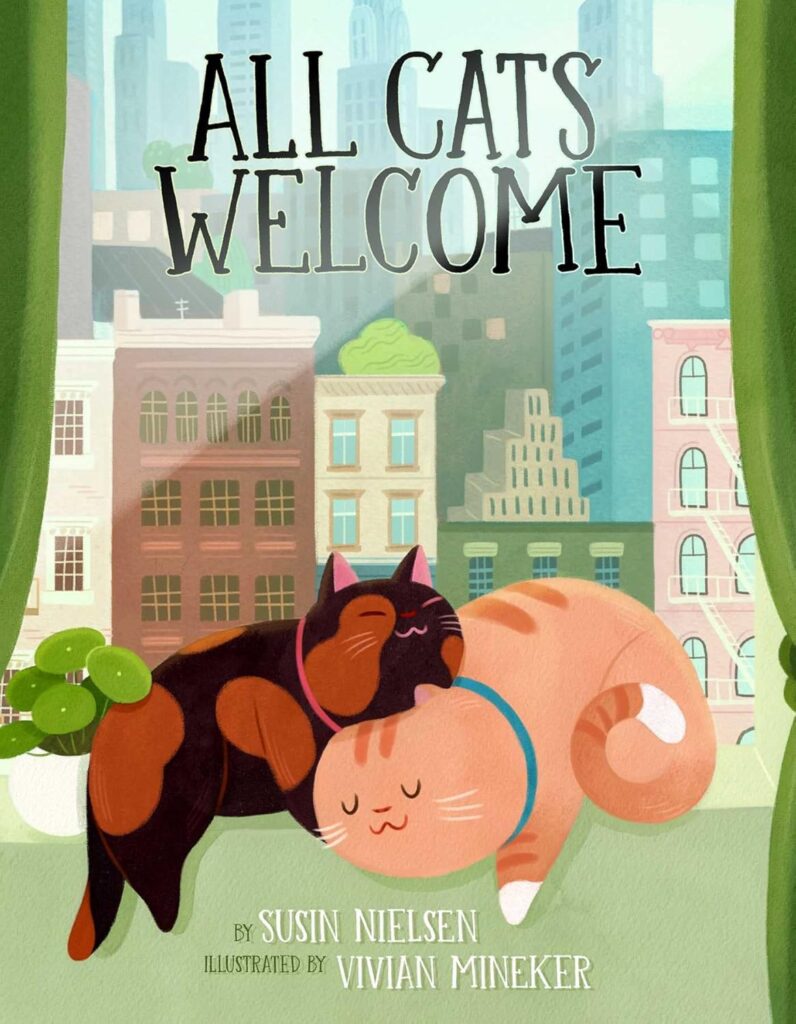
Written by Susin Nielsenand
Illustrated by Vivian Mineker
Grade Level
Kindergarten – 3rd Grade
Time to Read
15-20 minutes
Notable features
Vivid city illustrations, emotional journey, repetitive text structure that supports comprehension
Key Vocabulary
Wish You Could Download This Post As a Beautifully Formatted Lesson Plan?
You Can!!
I know that as much as you want to, you don’t always have time to carefully plan a thoughtful read aloud. That’s why I did the hard work for you! Everything you need is in this downloadable Read Aloud Lesson Plan for “All Cats Welcome” All of the vocabulary notes, pre-reading questions, strategic stopping points, and ways to extend the learning beyond the story are ready to go, just for you!
Download the free guide and you’ll have everything you need at your fingertips!